在撰写英文议论文时,恰当的词汇选择不仅能够提升文章的专业性和说服力,还能帮助作者更精准地表达观点、构建逻辑,以下将从不同功能模块出发,系统梳理议论文中常用的核心词汇,并辅以示例说明其用法,同时通过表格总结分类,最后附上相关问答以帮助读者进一步理解。
表达观点与立场
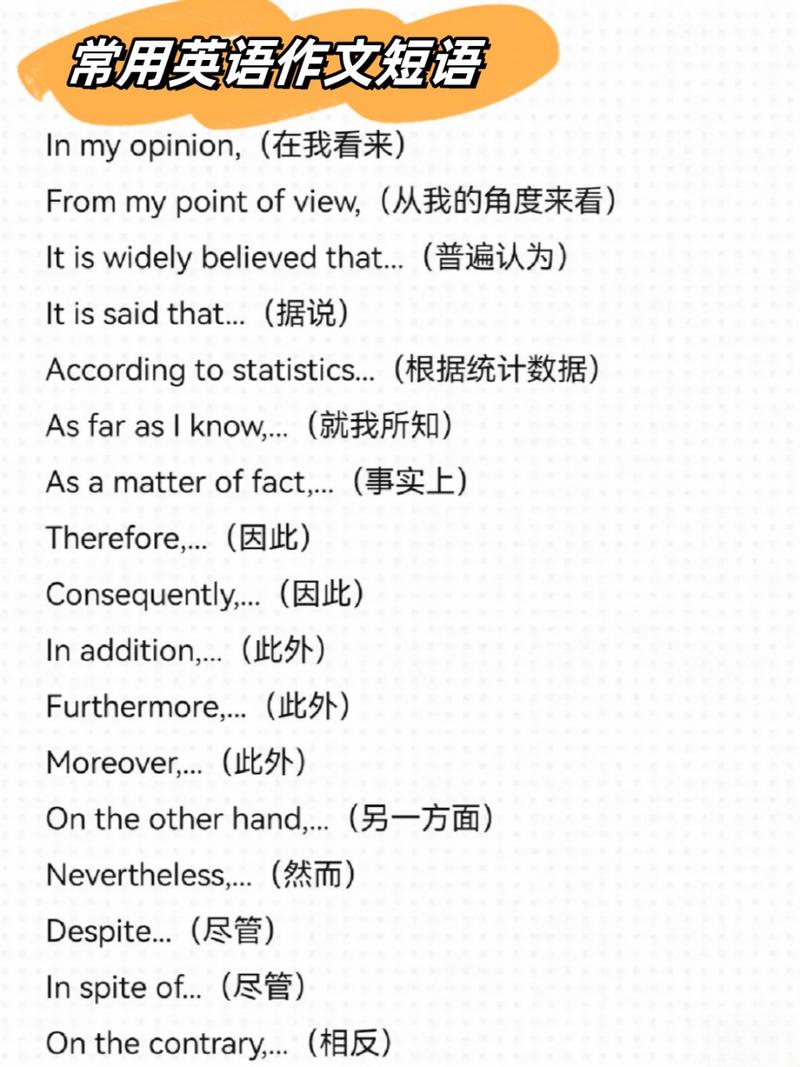
议论文的核心是明确作者的观点,因此需要使用多样化的词汇来陈述立场,避免重复。
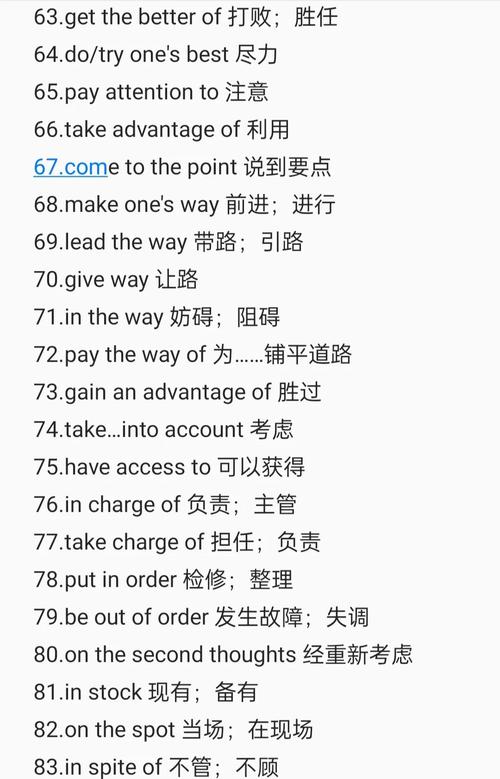
- 基础表态词:think(认为)、believe(相信)、argue(主张)、hold the view that(持有……观点)。"I believe that renewable energy is the future of global power supply."
- 强化语气词:firmly hold the view that(坚定认为)、contend(坚称)、maintain(坚持)。"The author contends that technological advancement has done more harm than good."
- 委婉表达:it seems to me that(在我看来)、from my perspective(在我看来)、one could argue that(有人可能认为)。"From my perspective, online education cannot fully replace traditional classroom learning."
论证逻辑连接词
议论文的严谨性依赖于逻辑链条的完整性,不同逻辑关系需对应不同的连接词。
- 因果关系:because of(因为)、due to(由于)、consequently(、as a result(结果)、thus(。"Climate change is worsening due to excessive carbon emissions; consequently, extreme weather events have become more frequent."
- 转折关系:however(、nevertheless(尽管如此)、on the contrary(相反)、in contrast(相比之下)。"The policy aims to reduce poverty; however, its implementation has faced numerous challenges."
- 递进关系:furthermore(、moreover(、in addition(、what's more(。"The new law protects consumers' rights; moreover, it imposes stricter penalties on fraudulent companies."
- 对比关系:while(而)、whereas(、unlike(不同于)。"While traditional education emphasizes face-to-face interaction, online learning focuses on flexibility."
- 举例说明:for example(、for instance(、such as(诸如)、take...as an example(以……为例)。"Many countries, such as Sweden and Norway, have successfully transitioned to green energy."
强化论证力度
为增强观点的可信度,需使用词汇强调论据的重要性、普遍性或紧迫性。
- 强调重要性:crucial(至关重要的)、vital(必不可少的)、essential(必要的)、paramount(至高无上的)。"It is crucial to address plastic pollution to protect marine ecosystems."
- 普遍性/客观性:generally speaking(、in general(、it is widely accepted that(普遍认为)。"It is widely accepted that regular exercise benefits both physical and mental health."
- 数据/事实支撑:according to statistics(根据数据)、evidence shows that(证据表明)、research indicates that(研究表明)。"Research indicates that 70% of students prefer digital textbooks over printed ones."
- 紧迫性:urgent(紧急的)、imperative(必要的)、it is high time that(是时候……了)。"It is high time that governments took concrete measures to tackle air pollution."
反驳对立观点
议论文需体现辩证思维,通过反驳对立观点来凸显自身论证的合理性。
- 引入对立观点:some people argue that(有人认为)、opponents claim that(反对者声称)、it is sometimes believed that(有人认为)。"Some people argue that artificial intelligence will replace human workers entirely."
- 反驳词汇:however(、nevertheless(尽管如此)、this view is flawed because(这一观点存在缺陷,因为)、it fails to consider that(它忽略了……)。"This view is flawed because it fails to consider the unique emotional intelligence that humans possess."
- 让步转折:admittedly(诚然)、granted(、even so(即便如此)。"Admittedly, technology has brought convenience, but its overuse may lead to social isolation."
提出建议与结论
在文章结尾,需提出解决方案或总结观点,常用词汇包括建议、展望和总结性表达。
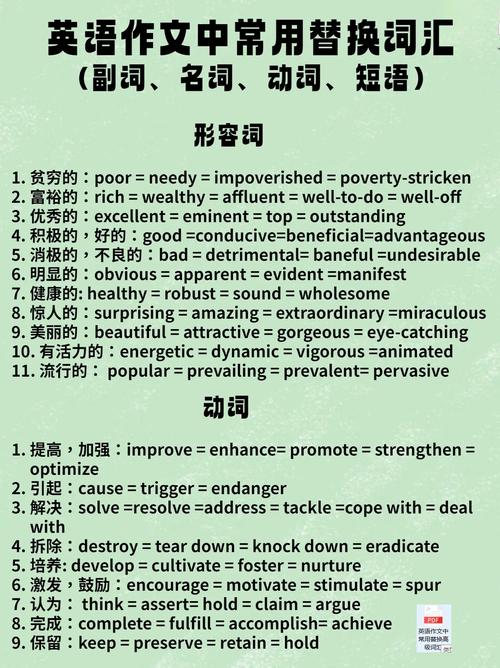
- 提出建议:should(应该)、it is advisable to(建议)、it is recommended that(建议)、we call for(呼吁)。"It is advisable for schools to integrate digital literacy into the curriculum."
- 展望未来:look forward to(期待)、in the future(在未来)、it is hoped that(人们希望)。"In the future, sustainable development will become the global consensus."
- 总结观点:in conclusion(、to sum up(、in a nutshell(简而言之)、overall(总体而言)。"In conclusion, while technology has transformed education, its impact should be carefully managed."
常见议论文词汇分类表
| 功能类别 | 核心词汇 |
|---|---|
| 表达观点 | think, believe, argue, hold the view that, contend, maintain |
| 逻辑连接(因果) | because of, due to, consequently, as a result, thus |
| 逻辑连接(转折) | however, nevertheless, on the contrary, in contrast, while |
| 逻辑连接(递进) | furthermore, moreover, in addition, what's more |
| 举例说明 | for example, for instance, such as, take...as an example |
| 强调重要性 | crucial, vital, essential, paramount, important |
| 普遍性/客观性 | generally speaking, in general, it is widely accepted that |
| 反驳对立观点 | some people argue that, opponents claim that, this view is flawed because |
| 提出建议 | should, it is advisable to, it is recommended that, we call for |
| 总结结论 | in conclusion, to sum up, in a nutshell, overall, in short |
相关问答FAQs
问题1:议论文中如何避免重复使用“think”或“believe”这类基础表态词?
解答:可以通过替换近义词或使用不同句式来丰富表达,将“I think this policy is effective”替换为:“From my perspective, this policy proves effective.” 或 “The author argues that this policy yields positive results.” 使用“it seems to me that”“one could argue that”等短语也能使表达更灵活。
问题2:议论文中“however”和“nevertheless”有什么区别?两者可以互换使用吗?
解答:两者均表转折,但语气强度不同。“However”用于引出与前文相反或对立的观点,是通用性较强的转折词,“The plan was ambitious; however, it failed due to a lack of funding.” “Nevertheless”则强调“尽管如此”,带有更强的让步意味,常用于前文已承认不利情况,后文仍坚持观点的语境,“The experiment did not yield the expected results; nevertheless, it provided valuable insights.” 两者不可随意互换,需根据逻辑关系的强弱选择。